Name the subject and action
Open with who or what should appear and what is happening. For example, specify a small explorer opening a glowing door instead of asking for something merely magical.
Practical walkthrough
If you searched how to use magiclight reddit, treat community advice as a source of ideas rather than a complete manual. This walkthrough helps you choose a starting path, describe your visual goal, inspect the result, and decide what to change next.
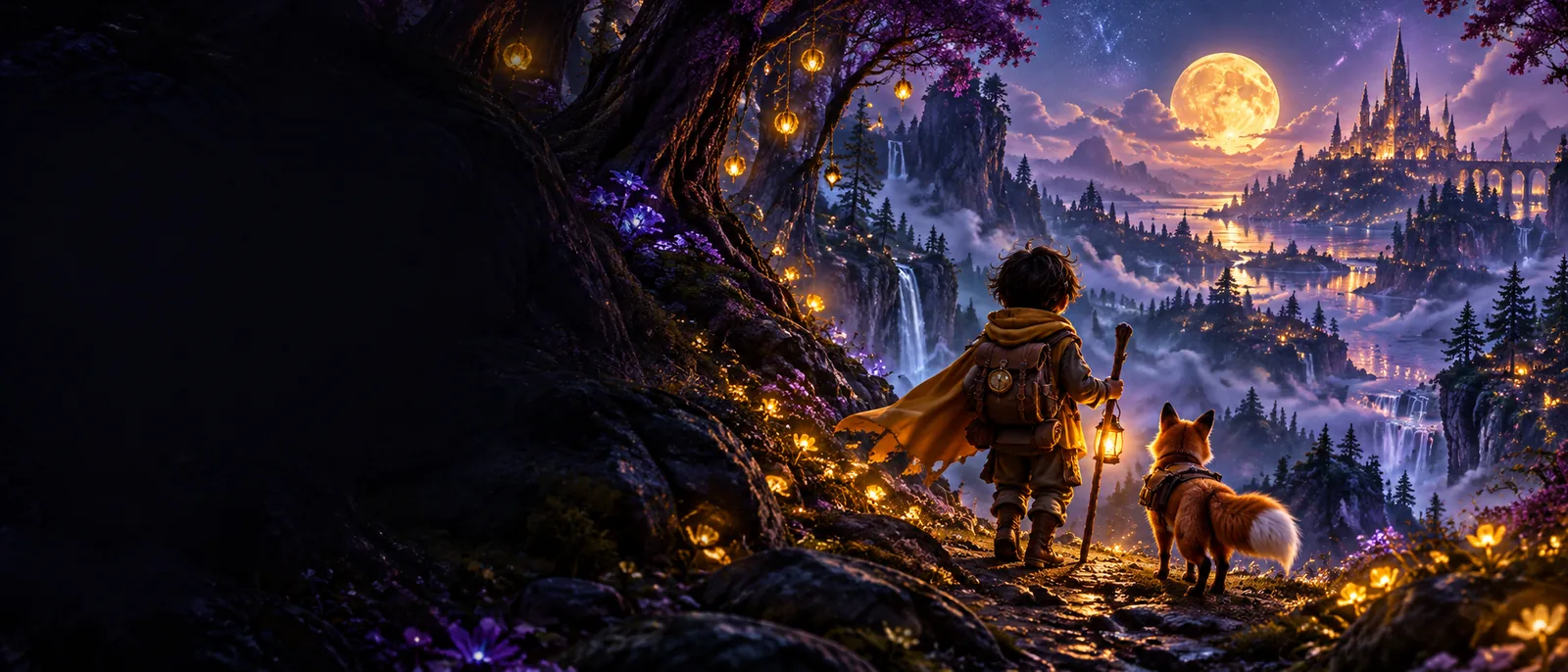
Start with a gentle introduction to the main creative workflow and the decisions beginners usually face.
See how an online video workflow can turn a written concept into a more complete visual sequence.
Browse example-led inspiration to understand how changes in subject, mood, and detail affect a brief.
Compare the mobile-oriented route when you want to work from an iPhone or iPad.
Reddit threads often mix different goals together. Before copying someone else’s wording, identify whether you are starting with an idea, a reference image, or a result that needs correction.
A Reddit comment may describe one person’s interface, account state, or experiment. It may omit the steps that made the result work.
WorkaroundUse the comment for clues, then test one change at a time in the current product experience.
Descriptive wording can guide a visual direction, but the result may differ in composition, character details, mood, or continuity.
WorkaroundKeep the subject, action, setting, and visual style explicit, then refine the weakest part rather than rewriting everything.
Advice built around an uploaded image, a previous scene, or a particular device may not match your starting point.
WorkaroundChoose the closest path below and replace unavailable inputs with a short description of what you actually have.
Posts can be outdated, incomplete, or based on unofficial assumptions about controls and output behavior.
WorkaroundAvoid relying on promises about formats, limits, timing, or access until the live route confirms them.
Choose Path A when you can explain the scene but do not yet have a reference image. The goal is not to write a perfect paragraph; it is to give the tool a stable visual brief.
Open with who or what should appear and what is happening. For example, specify a small explorer opening a glowing door instead of asking for something merely magical.
Describe the place, time, atmosphere, palette, and broad style. A phrase such as softly lit illustrated forest gives more direction than a general request for a beautiful scene.
Look for the most important mismatch. If the subject is right but the mood is wrong, keep the subject and revise only the lighting or atmosphere in the next attempt.
Choose Path B when you already have an image, a previous attempt, or a clear visual reference. Separate what must remain from what you want to change so the request stays easy to evaluate.
Path A: written idea
A scene you can describe in words
Path B: reference-led idea
An image, previous result, or visual reference
Path A: written idea
State the subject, action, and setting
Path B: reference-led idea
Identify the source and the parts to preserve
Path A: written idea
Mood, lighting, palette, composition, and style
Path B: reference-led idea
Specific changes to pose, background, color, or atmosphere
Path A: written idea
The result may interpret vague wording broadly
Path B: reference-led idea
The result may change more of the reference than expected
Path A: written idea
Check whether the requested elements appeared
Path B: reference-led idea
Compare the changed areas with the original intention
Path A: written idea
Add detail to the weakest visual instruction
Path B: reference-led idea
Ask for one controlled adjustment at a time
A useful workflow ends with comparison, not immediate repetition. Ask whether the result is closer to the brief, then record the one change that should guide the next attempt.
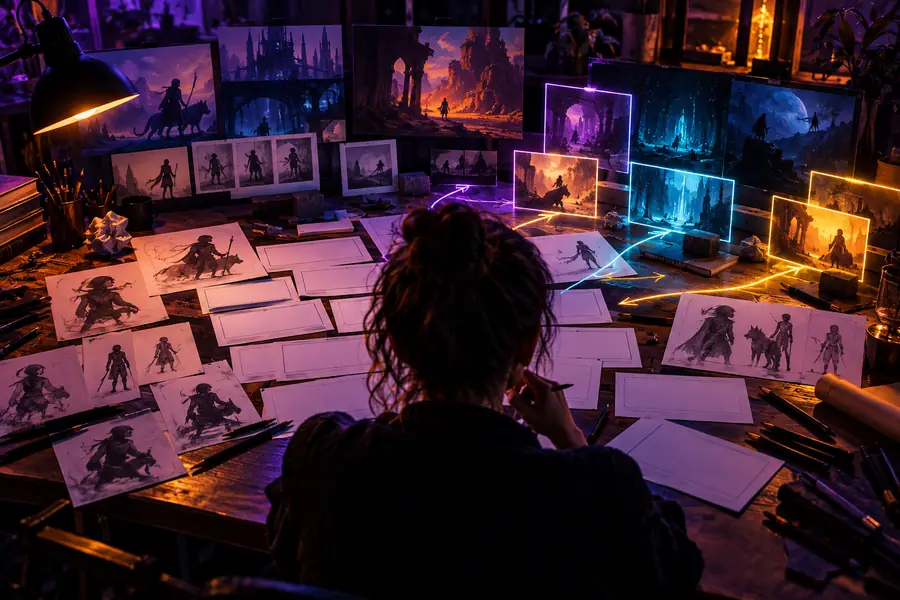
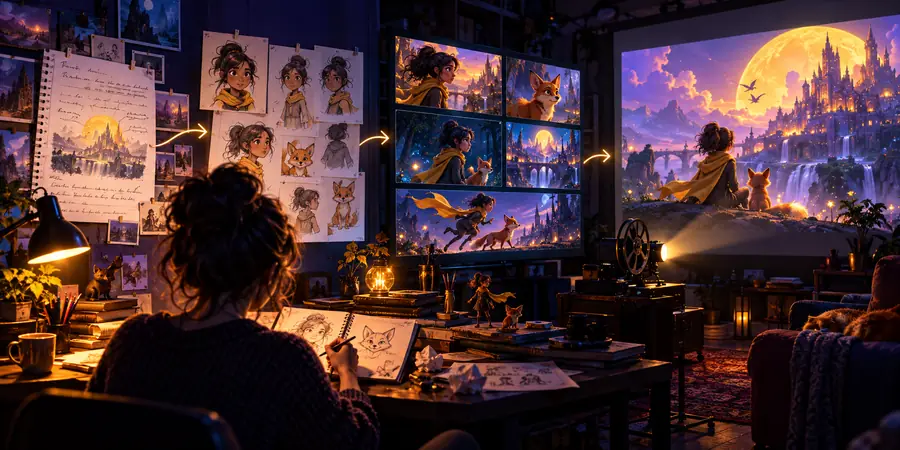
Compare the brief with the result, then change one variable at a time.
You have a story idea but no reference image and are unsure how much detail to include.
Use Path A to establish the subject, action, setting, and mood without trying to predict every visual detail.
magiclight tutorial for beginnersYou have an earlier result that is close, but the atmosphere, pose, or background is not right.
Use Path B and describe the single change that matters most, making the comparison easier after the next attempt.
magiclight examples freeYou are testing a short concept and want to understand whether a written brief is enough for your first pass.
Start with a compact scene description, inspect the output, and use the result to decide whether more reference material is needed.
magiclight onlineYou are working from a phone and need a simple way to keep the idea, reference, and requested change organized.
Write the brief before opening the tool, then use the mobile route to review the result against the same checklist.
magiclight for iosUse the workflow as a checklist: identify your starting point, describe the important visual facts, inspect the result, and revise the clearest mismatch. The live creative route can take your idea from planning into a real experiment.
These answers address the practical questions behind searches about using MagicLight and advice found in Reddit discussions.
Start with Path A and describe the subject, action, and setting in plain language. Add mood, lighting, and style after the main event is clear, then review the first result before adding more detail.
Use Reddit as a place to collect prompt ideas, examples, and possible troubleshooting clues, not as the final authority on the current experience. Check each suggestion against your own starting material and change one variable at a time.
Identify the most important mismatch, such as the subject, action, setting, or atmosphere. Keep the parts that worked and rewrite only the instruction connected to that mismatch so the next comparison is meaningful.
Start with text when you can explain the scene but do not have a useful reference. Start with an image or previous result when preserving a visual direction matters more than inventing one from scratch.
Include the subject, what it is doing, where it is, and the overall visual mood. Avoid stacking many unrelated demands in the first attempt; a focused brief makes it easier to understand why the result changed.